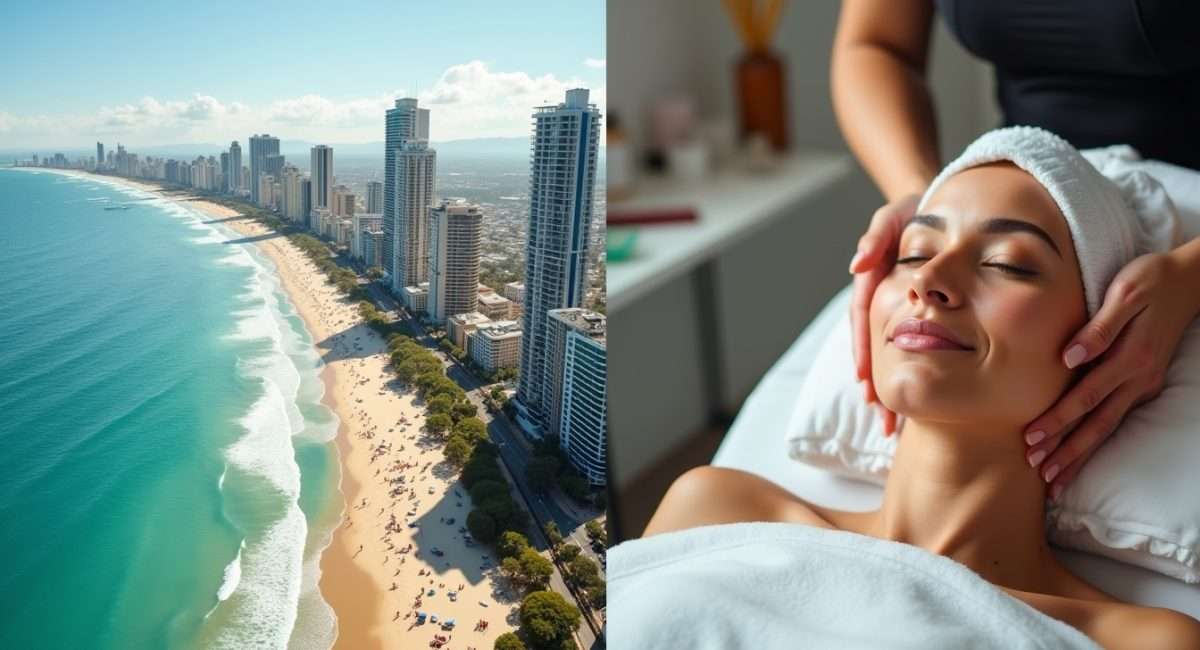
How STR Saturation Affects Salon Foot Traffic: A Gold Coast Case Study
Introduction
The Gold Coast has long been Australia’s playground — a city where tourism fuels hospitality, retail, and beauty services alike. But in recent years, the rise of short-term rentals (STRs) such as Airbnb has dramatically reshaped local communities. While STRs have boosted accommodation supply, their impact on long-term residents and local businesses — including beauty salons — is more complex.
This case study explores how STR saturation in high-tourism zones like Surfers Paradise is affecting salon foot traffic, client loyalty, and long-term business performance.

What is STR Saturation?
Short-term rental saturation occurs when a large proportion of residential properties are converted into tourist accommodation. On the Gold Coast, entire high-rise towers have shifted from long-term rental or owner-occupancy into holiday lets, creating “tourism-heavy precincts” with fewer permanent residents.
How STRs Influence Salon Foot Traffic
1. Decline in Local Client Base
Salons rely heavily on repeat clients — locals who book services regularly. When residential apartments convert to short-term rentals, the stable client pool shrinks, reducing the foundation of consistent salon income.
2. Tourist-Driven Demand is Unpredictable
Tourists may book a facial, blow-dry, or express treatment during a holiday, but this demand is seasonal and inconsistent. Tourism-focused salons experience peaks and troughs, making financial forecasting difficult.
3. High Competition in Tourist Precincts
In areas with high STR density, the sudden influx of pop-up barbers, nail kiosks, and beauty express services creates intense competition for short-term client spend.
4. Reduced Community Feel
Permanent residents are key to word-of-mouth marketing. When communities hollow out due to STR saturation, salons lose those organic referral networks.
The Gold Coast Case Study: Surfers Paradise
- STR Growth: Surfers Paradise has some of the highest concentrations of STRs in Australia. Entire buildings report vacancy for long-term renters but strong bookings for Airbnb-style stays.
- Business Feedback: Local salons report fluctuating foot traffic tied to holiday peaks (school holidays, Christmas, international arrivals), but weaker year-round consistency.
- Market Volatility: Rising vacancies in long-term rentals mean salons can’t rely on neighbourhood clientele, leading many to target tourists through hotel partnerships and seasonal promotions.
Strategic Responses for Salon Owners
1. Diversify Client Acquisition
Balance tourist trade with targeted marketing to local professionals, students, and nearby workers. For example, weekday lunchtime offers can capture office staff outside of the tourism cycle.
2. Partner with Accommodation Providers
Build referral programs with nearby hotels, resorts, and STR managers to direct guests to your salon. Consider “welcome packs” or discount vouchers as part of their guest experience.
3. Optimise for Seasonal Peaks
Staffing, inventory, and marketing should be planned around Gold Coast tourism cycles. Be ready to scale up for December–January and April–July, and adjust costs during quieter months.
4. Build Digital Loyalty Programs
Encourage tourists to book return visits when they’re back in the city, and build loyalty with locals who may feel overlooked by tourist-focused businesses.
5. Consider Location Carefully
In highly saturated STR areas, renting salon space may be riskier long-term. Suburbs with a stable residential base (Broadbeach Waters, Southport, Burleigh) often provide more consistent year-round clientele.
Conclusion
The Gold Coast highlights how housing trends ripple into business performance. While STR saturation boosts short-term opportunities, it often undermines the stability salons need to thrive.
For beauty business owners, understanding the relationship between property trends and client foot traffic is essential to making smarter decisions about location, marketing, and long-term growth.
In volatile markets like Surfers Paradise, success comes from balancing tourist demand with strategies to retain local, repeat clients — ensuring your salon thrives no matter how the housing landscape shifts.