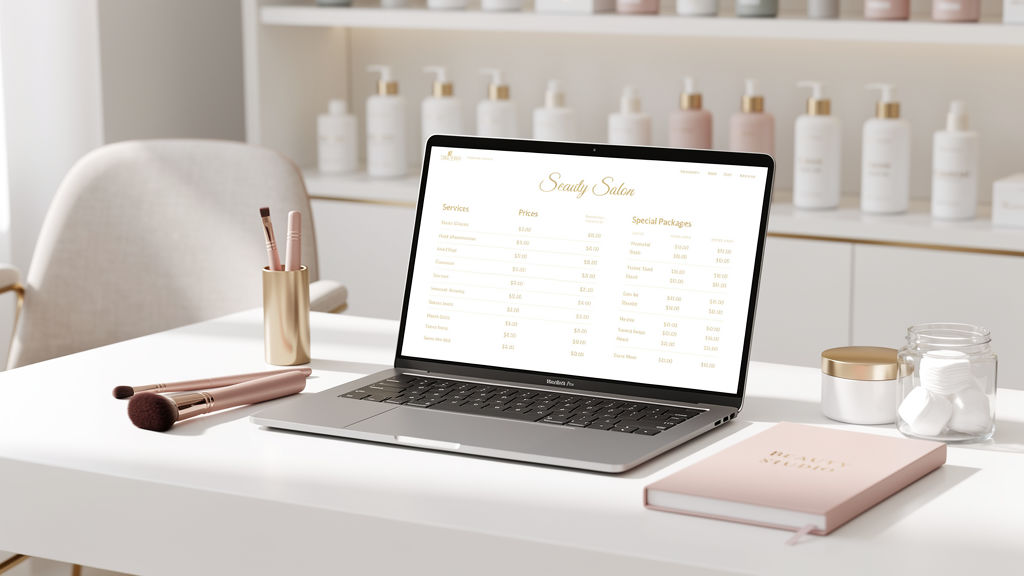
How to Raise Your Prices in 2026 Without Losing Clients
Raising prices used to be a once‑a‑year administrative task. In 2026, it’s a strategic necessity.
Costs have increased. Client expectations have increased. And the industry has shifted into a value‑driven, experience‑driven economy where clients will pay more — but only when the pricing makes sense and the communication is handled correctly.
This article breaks down the new pricing psychology, the mistakes salon owners must stop making, and the exact steps to raise prices without losing clients.
1. The 2026 Client Is Not Price‑Sensitive — They Are Value‑Sensitive
Most salon owners fear raising prices because they assume clients will leave. But the data shows something different:
Clients stay when:
- The experience is consistent
- The communication is clear
- The value is obvious
- The service feels personalised
Clients leave when:
- The experience feels rushed
- The environment feels outdated
- The service feels generic
- The pricing feels random
Price is rarely the real issue. Perceived value is.
2. The Biggest Pricing Mistake: Charging Based on Time
Time‑based pricing is outdated. Clients don’t care how long something takes — they care about:
- Skill
- Expertise
- Consistency
- Results
- Personalisation
Two stylists can take the same amount of time and deliver completely different outcomes. Yet many salons still charge based on minutes, not mastery.
What to do instead
Shift to value‑based pricing, where the price reflects:
- Skill level
- Product cost
- Complexity
- Personalisation
- Demand
- Outcome
This is the model used by every modern service industry — from cosmetic injectors to wellness practitioners.
3. The Three Signals That Tell You It’s Time to Raise Prices
Most salon owners wait too long. Here are the indicators that your pricing is overdue:
Signal 1: You’re booked out more than 70% of the time
This means demand exceeds supply. Your pricing is too low.
Signal 2: You’re attracting the wrong clients
Low prices attract high‑maintenance, low‑loyalty clients. Raising prices filters your client base.
Signal 3: Your profit margins are shrinking
If your costs have increased but your prices haven’t, you’re absorbing the difference. That’s not sustainable.
4. How to Raise Prices Without Backlash
The key is clarity, confidence, and timing.
Step 1: Announce early
Give clients 4–6 weeks’ notice. This shows respect and reduces emotional reaction.
Step 2: Keep the message short
Clients don’t need a breakdown of your expenses. They need clarity.
Step 3: Remove apology language
No “sorry”, “unfortunately”, or “I hope you understand”. You’re running a business, not asking for permission.
Step 4: Focus on value, not justification
Highlight improvements in:
- Training
- Quality
- Experience
- Products
- Personalisation
Step 5: Hold the line
If you raise prices and then discount because someone complains, you’ve trained your clients to negotiate.
5. The Script That Works in 2026
Here is a clean, modern, non‑emotional script that aligns with current client expectations:
“To continue delivering the level of quality and experience our clients expect, our service prices will be updated from [date]. Thank you for your continued support — we look forward to taking care of you.”
Short. Clear. Confident.
6. What to Do If a Client Pushes Back
Not every client will stay — and that’s the point. Price increases naturally refine your client base.
If someone questions the change, respond with:
“I completely understand. These updates allow us to maintain the standard of service we’re known for. If you’d like, I can recommend a service option that fits your budget.”
This keeps the relationship intact without compromising your pricing.
7. The Post‑Increase Check: Did It Work?
After 6–8 weeks, review:
- Rebooking rates
- Average spend
- Client retention
- Profit margins
- Staff utilisation
If your retention is above 70% and your revenue has increased, the price rise was successful.
If retention drops below 50%, the issue is not the price — it’s the experience.
The Bottom Line
Raising prices in 2026 isn’t about inflation — it’s about alignment.
When your pricing reflects:
- Your skill
- Your demand
- Your experience
- Your brand
- Your results
Clients don’t leave. They trust you more.
The salons that thrive this year will be the ones that price with confidence, communicate with clarity, and deliver consistent value.


Salon Membership Programs: How to Build Recurring Revenue That Works
Most beauty businesses would happily trade some of the uncertainty of next month’s appointment…
Beauty Salon Deposits, Cancellation Fees & No-Shows: What Australian Businesses Need to Know
No-shows and last-minute cancellations can be expensive for beauty businesses. A two-hour appointmen…

High-Margin Beauty Equipment Treatments: How to Choose Profitable Salon Technology
Beauty equipment is often sold to salon owners with an extremely attractive proposition. Buy the mac…

Why Good Beauty Therapists Leave
The Staff Retention Problems Salon Owners Can Actually Fix You finally find them. They’re tale…
One Bad Review Can Travel Fast … How Beauty Businesses Should Handle Negative Online Reviews
You finish a long day, pick up your phone and see it. A one-star review. Perhaps you recognise the c…

What Every Beauty Business Owner Should Consider Getting Their Staff to Sign
Most beauty businesses don’t have an employment-document problem until they have an employment…