PPE for the Beauty Industry: Why It’s Essential for Your Business, Staff, and Clients
Personal Protective Equipment (PPE) has become a critical part of many industries, and the beauty sector is no exception. While beauty treatments are often associated with relaxation and self-care, they can involve close contact, the use of chemicals, and exposure to bodily fluids or airborne particles. In this environment, PPE is not just a precaution but a necessity for maintaining hygiene, safety, and trust.
This article explores the importance of PPE in the beauty industry, the types of protective gear required, and how it benefits your business, staff, and clients.

1. Why PPE Matters in the Beauty Industry
The beauty industry involves hands-on treatments, including facials, hairdressing, nail services, and advanced procedures such as laser therapies and injectables. With these services, there is always a risk of contamination, infection, or exposure to hazardous materials.
Here’s why PPE is vital in a salon or clinic setting:
- Preventing Cross-Contamination: PPE helps prevent the spread of bacteria, viruses, and other contaminants between clients and beauty professionals. This is particularly important when handling sharp instruments or performing invasive treatments like microblading or microneedling.
- Chemical Safety: Hairdressers, nail technicians, and skincare professionals often work with chemicals that can be harmful if inhaled, ingested, or come into contact with skin. PPE such as gloves, masks, and protective eyewear safeguards against exposure to these substances.
- Client Comfort and Trust: When clients see staff wearing PPE, it reassures them that the business takes hygiene seriously, making them feel safer and more likely to return for services.
- Legal and Regulatory Compliance: Many countries, including Australia, have health and safety regulations that mandate the use of PPE in certain settings. Adhering to these guidelines not only protects your staff and clients but also ensures your business is compliant with local laws.
2. Types of PPE in the Beauty Industry
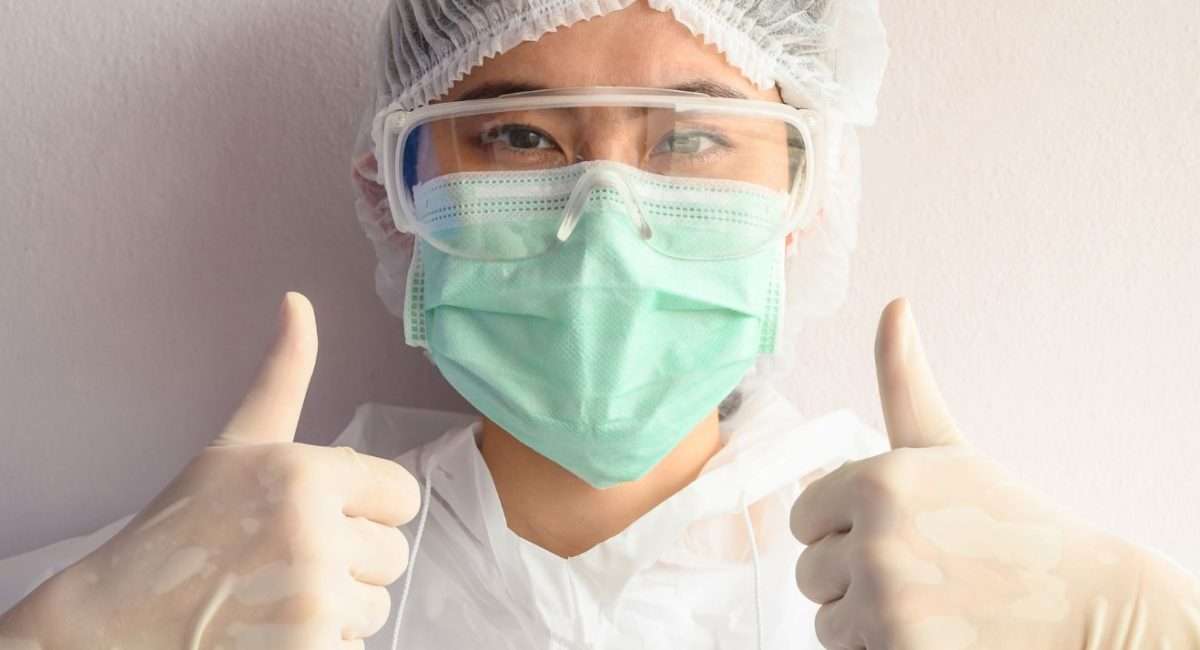
Different beauty services require specific types of PPE to ensure maximum protection for both staff and clients. Here’s a breakdown of the most common PPE used in beauty salons and clinics:
2.1. Gloves
Gloves are one of the most essential pieces of PPE in any beauty setting. They protect both the technician and the client from direct contact with skin, bodily fluids, or chemicals.
- When to Wear Gloves: During waxing, hair dyeing, nail treatments, facials, or any procedure that involves potential exposure to blood or other fluids.
- Types of Gloves: Disposable latex or nitrile gloves are commonly used, with nitrile being the preferred option for those with latex allergies.
2.2. Face Masks
Face masks are crucial for preventing the inhalation of airborne particles and protecting against respiratory infections. They also prevent the spread of germs from the beauty professional to the client.
- When to Wear Masks: During procedures that involve close facial contact (e.g., facials, eyebrow threading, lash extensions) or when working with fine particles or fumes (e.g., nail treatments, chemical peels).
- Types of Masks: Surgical masks or N95 respirators are commonly used, with N95 providing a higher level of protection against airborne particles.
2.3. Protective Eyewear
Protective eyewear prevents chemicals, debris, or fluids from coming into contact with the eyes.
- When to Wear Protective Eyewear: During laser treatments, chemical peels, or hair treatments involving strong chemicals.
- Types of Eyewear: Safety goggles or face shields are commonly used in these treatments.
2.4. Aprons and Gowns
Aprons and gowns protect the technician’s clothing and skin from exposure to chemicals, fluids, and other contaminants.
- When to Wear Aprons/Gowns: During hair dyeing, chemical treatments, or any procedure where there’s a risk of spills or splashes.
- Types of Aprons/Gowns: Disposable or washable fabric aprons are most common, with disposable options preferred for procedures with high contamination risks.
2.5. Hair Nets and Caps
Hair nets or caps keep hair away from the face and prevent the technician’s hair from contaminating the treatment area.
- When to Wear Hair Nets/Caps: During facials, skin treatments, or any procedure requiring close contact with the client’s face.
3. Benefits of PPE for Your Business, Staff, and Clients
Implementing the proper use of PPE in your beauty salon or clinic benefits everyone involved, contributing to a safer, more professional environment.
3.1. Protecting Staff Health
Beauty professionals are frequently exposed to potentially hazardous chemicals and fluids. Wearing PPE reduces their risk of contracting infections, developing allergic reactions, or suffering from chemical burns. Healthy employees mean fewer sick days, higher productivity, and a more consistent service for your clients.
3.2. Safeguarding Clients
Clients want to feel confident that their safety is a top priority. Using PPE during treatments, especially invasive ones, ensures that clients are protected from infections and cross-contamination. A reputation for cleanliness and safety can set your business apart, attracting new clients and retaining existing ones.
3.3. Boosting Business Reputation
Salons and clinics known for their commitment to health and safety are more likely to attract discerning clients. In today’s world, cleanliness and hygiene are paramount, and visibly implementing PPE protocols helps build trust with your clientele. Positive reviews and recommendations often follow when clients feel safe in your care.
3.4. Ensuring Regulatory Compliance
Non-compliance with health and safety regulations can result in fines, penalties, or even business closure. Following PPE guidelines ensures your business complies with Australian Work Health and Safety (WHS) regulations, protecting you from legal repercussions and maintaining a good standing with regulatory bodies.
4. Creating a PPE Protocol for Your Beauty Business
To ensure consistent use of PPE in your salon or clinic, it’s important to create a clear protocol that all staff members must follow.
- Training: Regularly train staff on the importance of PPE and how to use it correctly. This includes proper glove removal techniques, mask fitting, and hand hygiene practices.
- Stock Management: Ensure you always have an adequate supply of PPE on hand. Monitor stock levels and reorder PPE supplies as needed to avoid running out.
- Client Communication: Let your clients know about your PPE protocols. Display signage in your salon explaining the use of PPE and how it helps protect them.
- Regular Audits: Conduct regular audits of PPE usage in your salon to ensure compliance with your protocols and address any gaps or concerns.
Conclusion: PPE is Essential for a Safe and Professional Beauty Business
PPE is a crucial aspect of running a successful beauty business in Australia. By prioritizing the health and safety of your staff and clients, you not only comply with regulations but also build trust and loyalty. The proper use of PPE minimizes risks, promotes hygiene, and enhances the professional image of your salon or clinic, ensuring long-term success in the beauty industry.