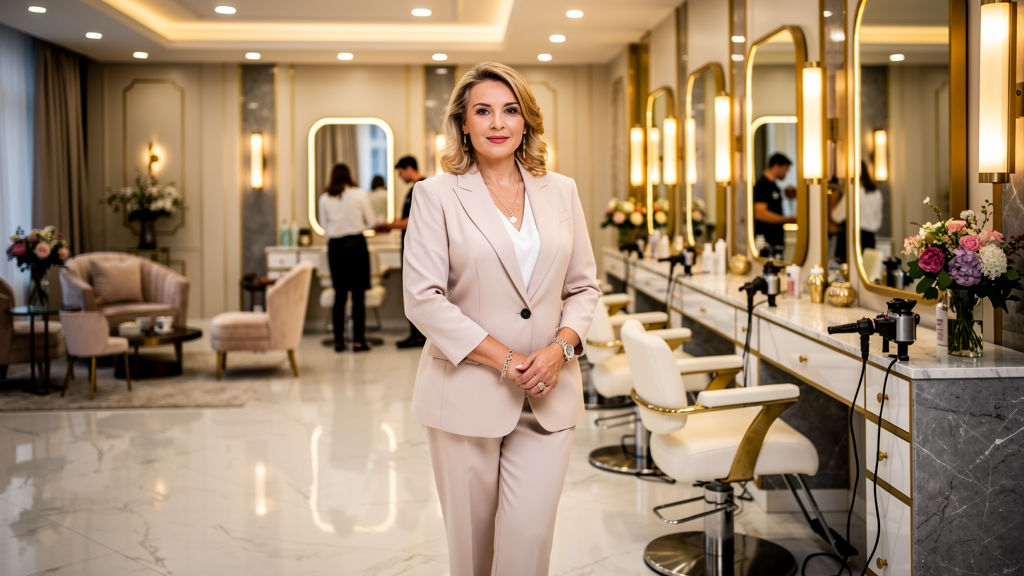
The Biggest Challenges Facing Beauty Businesses Today
The beauty industry is expanding, but it’s also becoming more complex. Client expectations are rising, competition is intensifying, and the cost of running a business has never been higher. Yet despite these pressures, some beauty operators are thriving — growing faster, earning more, and building brands that feel untouchable.
Their advantage isn’t luck. It’s strategy.
Below is a clear, modern analysis of the biggest challenges facing beauty businesses right now, and the specific responses used by the most successful operators.
1. High Demand, Low Loyalty: The New Client Reality
Clients are booking beauty services more frequently, but they’re also switching providers more easily. Convenience, price, and social‑media trends influence decisions more than long‑term loyalty.
How top operators respond: They build loyalty through experience, not discounts.
- Personalised consultations
- Rebooking systems
- Memberships and treatment plans
- Consistent follow‑up and aftercare
The goal is simple: make the client feel understood, supported, and cared for in a way that’s difficult to replace.
2. Rising Costs and Shrinking Margins
From product suppliers to electricity bills, almost every operational cost has increased. Many beauty businesses are fully booked yet still struggling to stay profitable.
How top operators respond: They treat pricing as a business strategy, not an emotional decision.
- Confident, data‑driven price increases
- Prioritising high‑margin services
- Removing low‑profit offerings
- Enforcing deposits and cancellation policies
- Tracking numbers weekly
Profitability becomes a discipline, not a hope.
3. Oversaturation and Home‑Salon Competition
The barrier to entry is low, and new home salons appear constantly. Many undercharge, creating downward pressure on pricing and client expectations.
How top operators respond: They differentiate through professionalism and expertise.
- Strong branding
- Elevated client experience
- Advanced education and niche specialisation
- Clear positioning as experts, not generalists
They don’t compete on price — they compete on value.
4. Social Media Fatigue and Declining Organic Reach
Posting daily is exhausting, and algorithms are unpredictable. Many beauty business owners feel stuck in a cycle of content creation with little return.
How top operators respond: They shift from “posting for attention” to “posting for conversions.”
- Short‑form video
- Educational content
- Client transformations
- Repurposing content across platforms
- Building email and SMS lists to reduce algorithm dependence
They treat social media as a funnel, not a full‑time job.

5. Staffing Shortages and Retention Challenges
Finding skilled therapists is difficult. Keeping them is even harder. Many leave to start their own home salons.
How top operators respond: They build workplaces people want to stay in.
- Clear career pathways
- Ongoing training and mentorship
- Performance incentives
- Supportive, growth‑focused culture
They understand that staff retention is a leadership skill.
6. Clients Expect Higher Professional Standards
Clients are more informed and more discerning. They expect clinical‑level hygiene, clear communication, and visible results.
How top operators respond: They elevate every touchpoint.
- Structured consultations
- Treatment plans
- Professional documentation
- Consistent aftercare
- Clear boundaries and policies
Professionalism becomes part of the brand identity.
7. Owner Burnout and Operational Overload
Beauty business owners are juggling clients, admin, marketing, finances, and staff. Many feel overwhelmed and under‑supported.
How top operators respond: They build systems that reduce decision fatigue.
- Automated booking and reminders
- Standardised consultations and scripts
- Retail systems
- Delegation and outsourcing
- Clear workflows
They design a business that supports their life — not the other way around.
The Common Thread Among High‑Performing Beauty Businesses
They don’t try to “keep up” with the industry. They build businesses that stand apart from it.
Their focus is consistent:
- Retention over reach
- Profit over busyness
- Expertise over discounting
- Systems over stress
- Client experience over everything
This is the new blueprint for sustainable success in the beauty industry.
Salon Membership Programs: How to Build Recurring Revenue That Works
Most beauty businesses would happily trade some of the uncertainty of next month’s appointment…
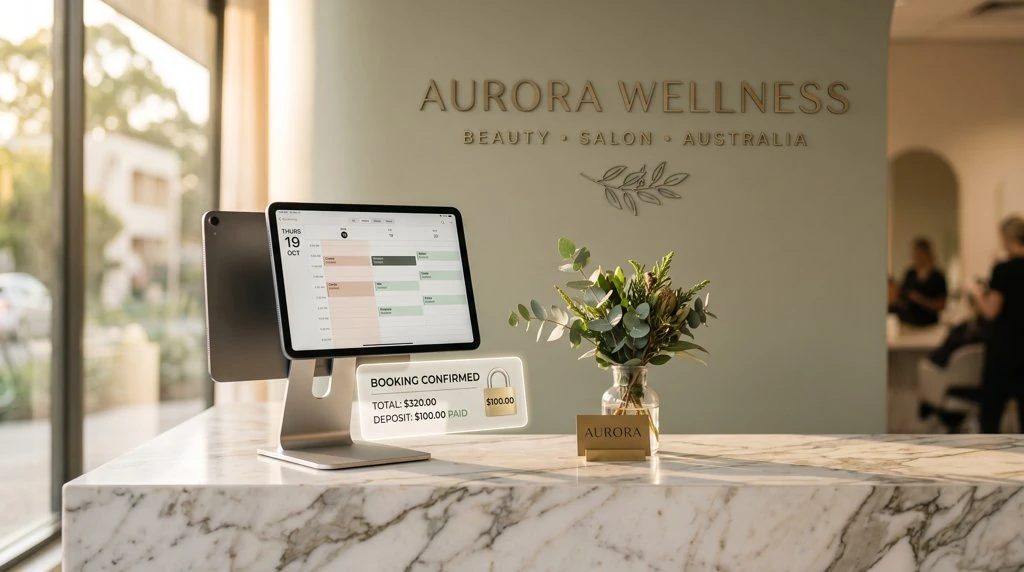
Beauty Salon Deposits, Cancellation Fees & No-Shows: What Australian Businesses Need to Know
No-shows and last-minute cancellations can be expensive for beauty businesses. A two-hour appointmen…

High-Margin Beauty Equipment Treatments: How to Choose Profitable Salon Technology
Beauty equipment is often sold to salon owners with an extremely attractive proposition. Buy the mac…