The Key Industry Shifts Beauty Businesses Should Be Paying Attention To in 2026
The beauty industry in 2026 is not the same landscape it was even two years ago. Economic pressure, rising operational costs, shifting consumer psychology, and increased competition have reshaped how clients choose providers — and how beauty professionals must position themselves to stay relevant.
Across thousands of conversations with beauty business owners, educators, and clients this year, several clear, undeniable shifts have emerged. These are not predictions. They are real‑time behavioural changes shaping the industry right now.
Below is a strategic breakdown of the shifts beauty businesses must pay attention to in 2026.
1. The Shift From Aesthetic Branding to Clinical‑Level Professionalism
The “pretty salon with a cute Instagram feed” era is fading. In 2026, clients are choosing providers who feel:
- clinically competent
- educated
- safe
- structured
- consistent
They want to see:
- treatment plans
- consultation forms
- aftercare protocols
- hygiene standards
- qualifications and ongoing education
What this means: Professionalism is now a marketing strategy. It builds trust faster than aesthetics ever did.
2. The Shift Toward Value‑Selective Spending
2026 consumers are not spending less — they’re spending more selectively.
They’re choosing:
- services with visible, measurable results
- specialists who solve specific problems
- providers who explain the “why” behind recommendations
They’re avoiding:
- vague services
- unclear outcomes
- anything that feels indulgent rather than purposeful
What this means: Businesses must communicate value with clarity. Outcome‑driven messaging outperforms aesthetic‑driven messaging.
3. The Shift From Generalists to Hyper‑Specialists
Oversaturation has pushed clients toward specialists who “own” their niche.
Clients now prefer:
- brow artists who only do brows
- lash artists who only do lashes
- skin therapists who specialise in skin
- injectors who specialise in injectables
Specialisation feels safer, more skilled, and more trustworthy.
What this means: Niche positioning is one of the strongest growth levers in 2026.
4. The Shift Toward Simplicity and Low Cognitive Load
2026 is the year of mental fatigue. People are overwhelmed, overstimulated, and tired of making decisions.
They want:
- simple menus
- simple pricing
- simple treatment pathways
They avoid:
- long service lists
- complicated add‑ons
- unclear recommendations
What this means: Streamlining your menu increases conversions and reduces hesitation.
5. The Shift to Short‑Notice, Cashflow‑Driven Booking Behaviour
Clients in 2026 are booking closer to:
- payday
- events
- their mood
- their cashflow
This is not flakiness — it’s financial self‑management.
What this means: Businesses need:
- waitlists
- SMS blasts
- automated reminders
- last‑minute gap‑filling strategies
The salons who adapt stay full. The ones who don’t feel “quiet”.
6. The Shift Toward Education‑Led Marketing
Consumers trust:
- explanations
- demonstrations
- transformations
- expertise
They don’t trust:
- vague claims
- aesthetic‑only marketing
- “trust me” messaging
What this means: Educational content is outperforming aesthetic content across every platform in 2026.
7. The Shift Away From Instagram Dependence
Organic reach is down. Competition is up. Consumers are diversifying where they look.
They’re relying more on:
- Google reviews
- Google Maps
- email marketing
- SMS marketing
- simple, informative websites
What this means: Multi‑channel visibility is essential. Instagram alone is no longer enough.
8. The Shift Toward Predictable, Recurring Revenue
With rising costs and economic uncertainty, both clients and businesses want predictability.
Memberships, packages, and treatment plans are becoming the new normal.
Why?
- clients want predictable spending
- businesses want predictable income
- both sides want long‑term results
What this means: Recurring revenue models are becoming essential for stability in 2026.
9. The Shift Toward Experience as a Retention Strategy
With oversaturation at an all‑time high, clients choose the business that makes them feel:
- cared for
- understood
- valued
- safe
Experience is no longer a luxury — it’s a retention engine.
What this means: Small touches matter more than ever.
The Core Industry Shift in 2026
Beauty businesses are moving from: “How do I get more clients?” to “How do I become the provider clients don’t want to leave?”
The businesses that win in 2026 will be the ones that:
- specialise
- simplify
- educate
- professionalise
- systemise
- build trust
- communicate value clearly
This is the new blueprint for sustainable success in the beauty industry.
Salon Membership Programs: How to Build Recurring Revenue That Works
Most beauty businesses would happily trade some of the uncertainty of next month’s appointment…
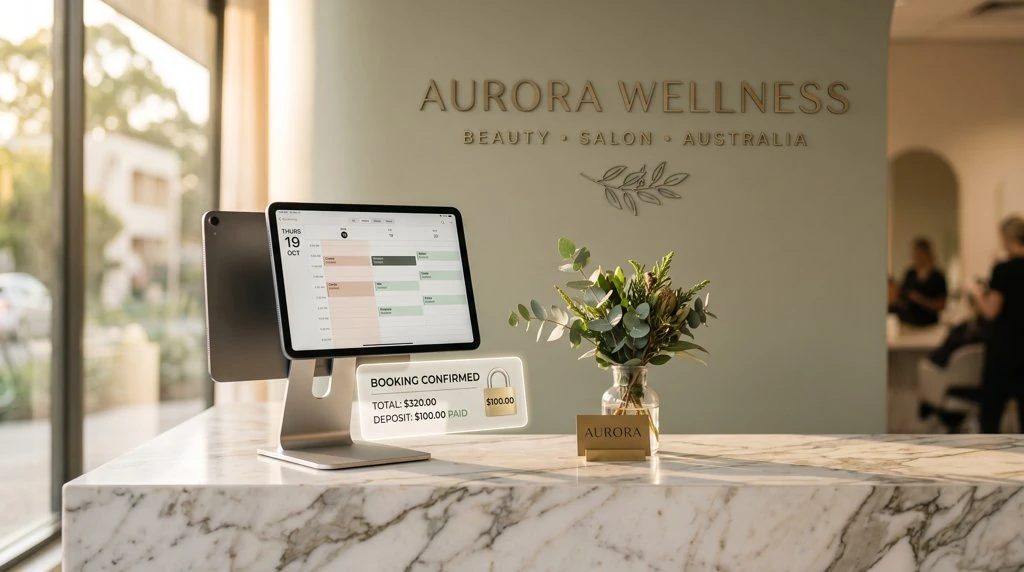
Beauty Salon Deposits, Cancellation Fees & No-Shows: What Australian Businesses Need to Know
No-shows and last-minute cancellations can be expensive for beauty businesses. A two-hour appointmen…
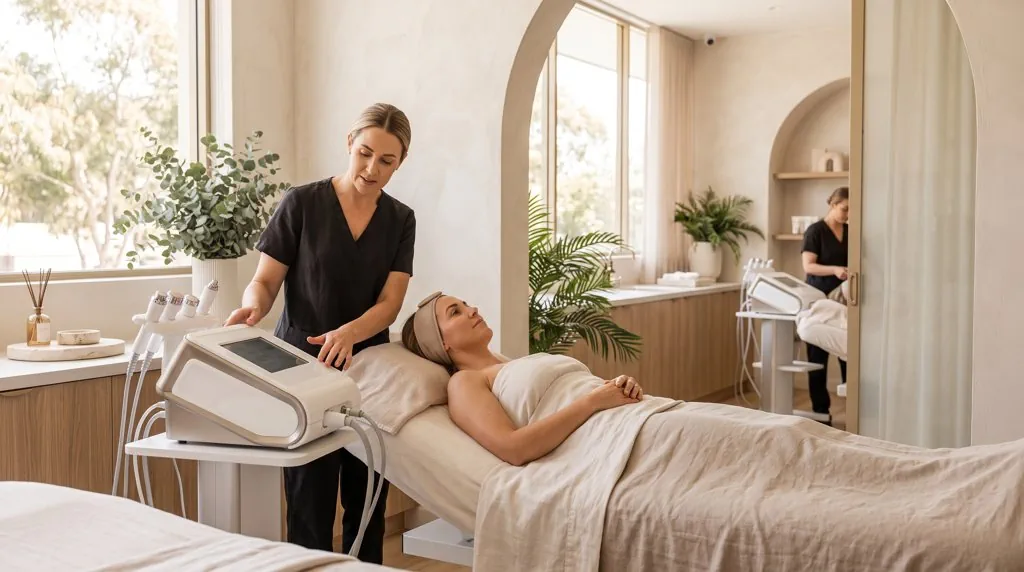
High-Margin Beauty Equipment Treatments: How to Choose Profitable Salon Technology
Beauty equipment is often sold to salon owners with an extremely attractive proposition. Buy the mac…

Why Good Beauty Therapists Leave
The Staff Retention Problems Salon Owners Can Actually Fix You finally find them. They’re tale…
One Bad Review Can Travel Fast … How Beauty Businesses Should Handle Negative Online Reviews
You finish a long day, pick up your phone and see it. A one-star review. Perhaps you recognise the c…

What Every Beauty Business Owner Should Consider Getting Their Staff to Sign
Most beauty businesses don’t have an employment-document problem until they have an employment…